Human speech biology and the restaurant Lombard spiral
Across a ninety-centimeter dining table, natural relaxed conversation arrives at your friend's ear near 60 to 64 A-weighted decibels (dBA). Balancing live music cleanly around that human threshold separates effortless hospitality from exhausting noise.
How exceeding 74 dBA during starters triggers runaway room volume
Acoustic engineers term the Lombard effect our automatic human reflex to project louder speech whenever ambient sound obscures syllables across the table. If an eager showband enters at 78 dBA while sixty diners eat antipasti, every table instinctively leans forward and talks three decibels louder within minutes.
Twenty minutes later collective table chatter itself tops 80 dBA, pushing stage musicians to nudge faders upward again just to hear their own phrasing. Within one course the room spirals into fatiguing shouting. Under our live music services, we break that spiral before doors open by anchoring strict hour-by-hour ceiling targets.
Respecting the one-to-four kilohertz vocal intelligibility window
Listener fatigue during dinner frequently stems less from sheer overall volume than harsh energy crowding the narrow frequency window human ears rely upon for crisp consonant recognition. Speech intelligibility lives predominantly between 1,000 Hz and 4,000 Hz, the exact band pushed hard by distorted electric guitars, crash cymbals, bright brass bells and shrill electric strings.
When skilled venue engineers scoop that vocal band subtly by two to three decibels during main courses while leaving warm chest bass and silky highs intact, diners notice something remarkable: the music still sounds lush and alive across the hall, yet voices pass cleanly across wine glasses with zero vocal strain.
Crystal walls, vaulted depots, soft drapery and occupied table absorption
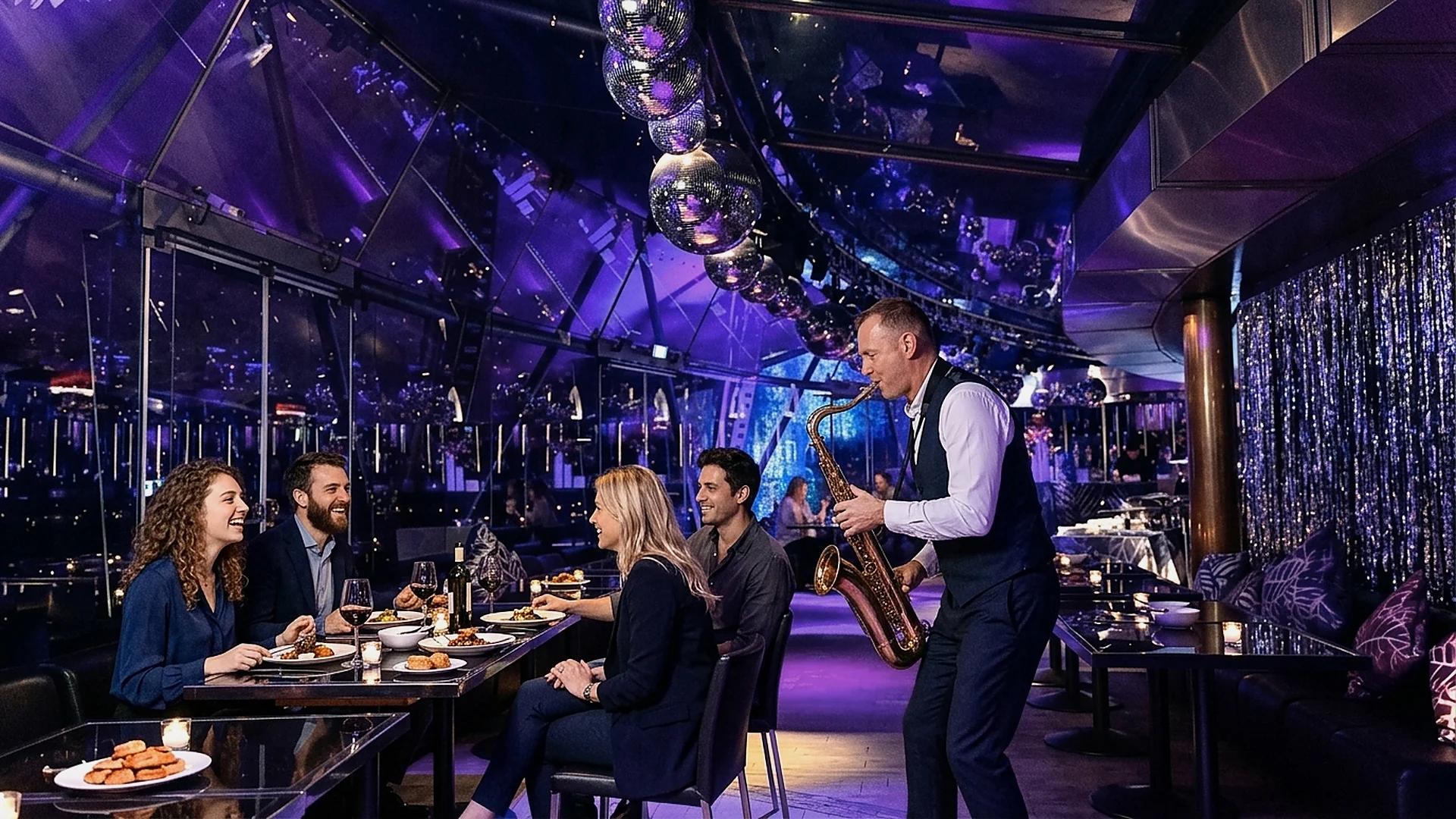
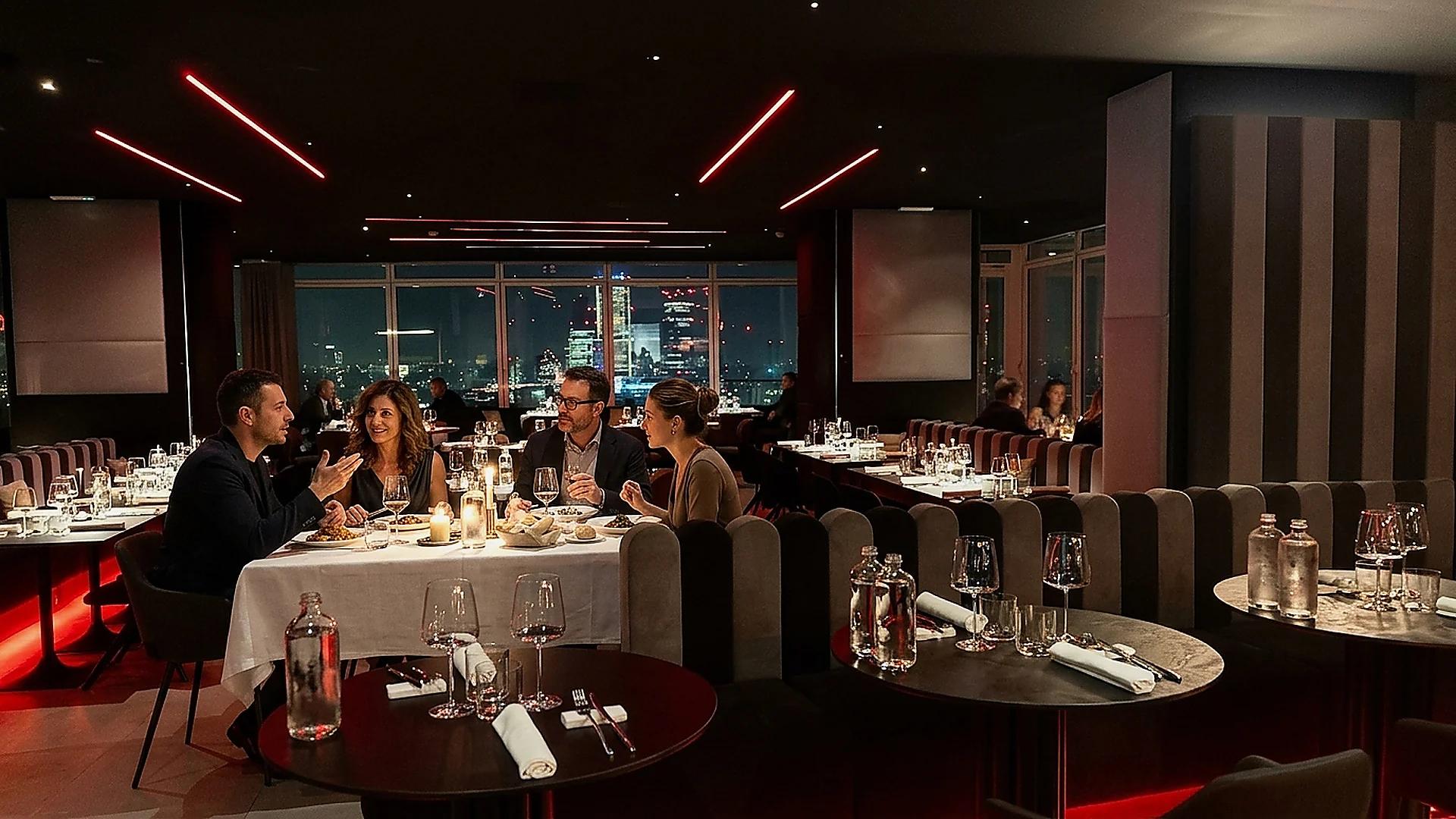
Surface finishes alter sound decay dramatically. Bare marble, polished concrete and structural window panes reflect nearly ninety-eight percent of acoustic energy, stretching reverberation tails (RT60) until crisp piano arpeggios smear into muddy wash. Inside glass enclosures like Just Me Milano or twentieth-floor VOYA Rooftop, speakers must point inward across plush diners rather than blasting bare glass.
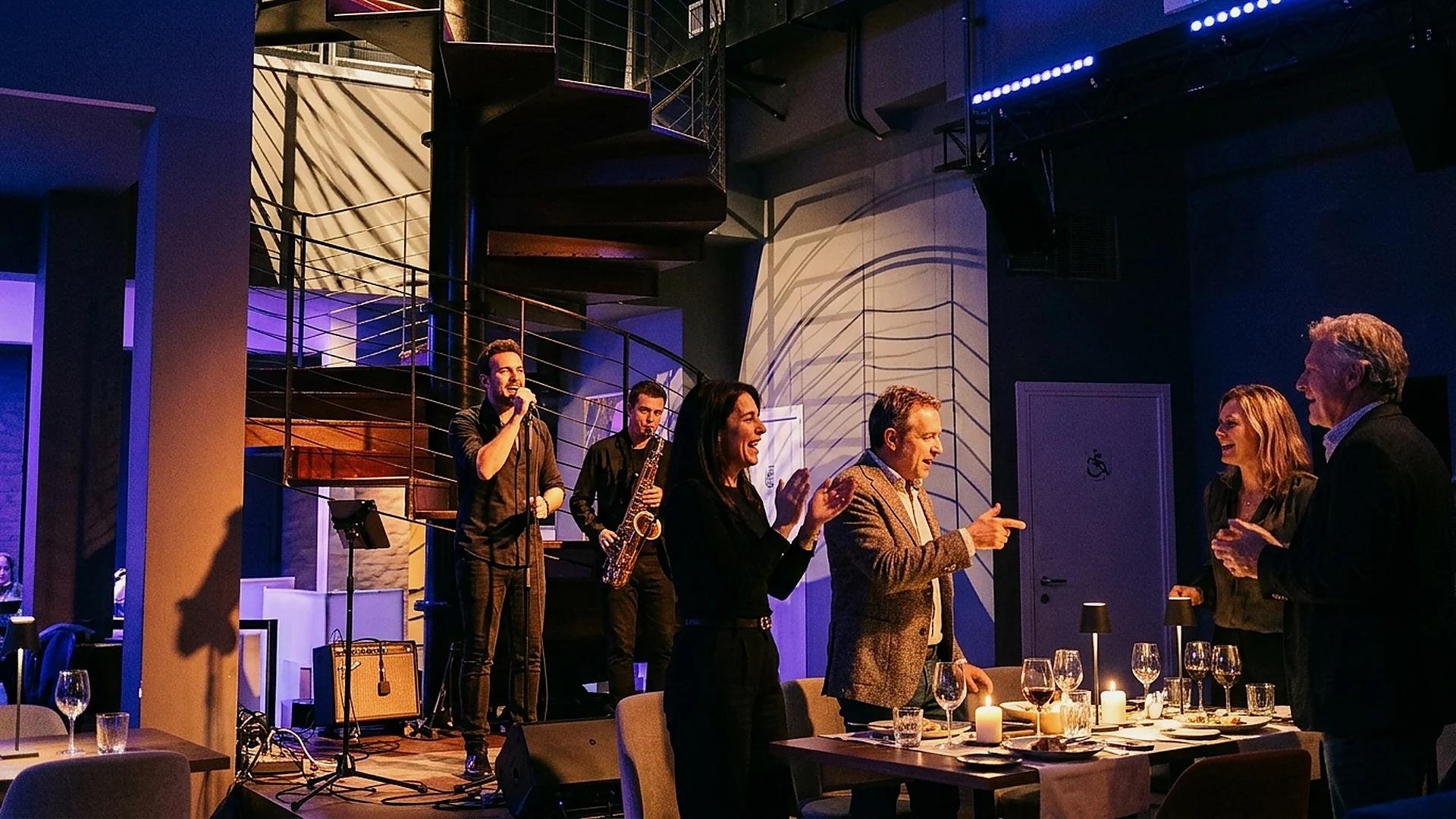
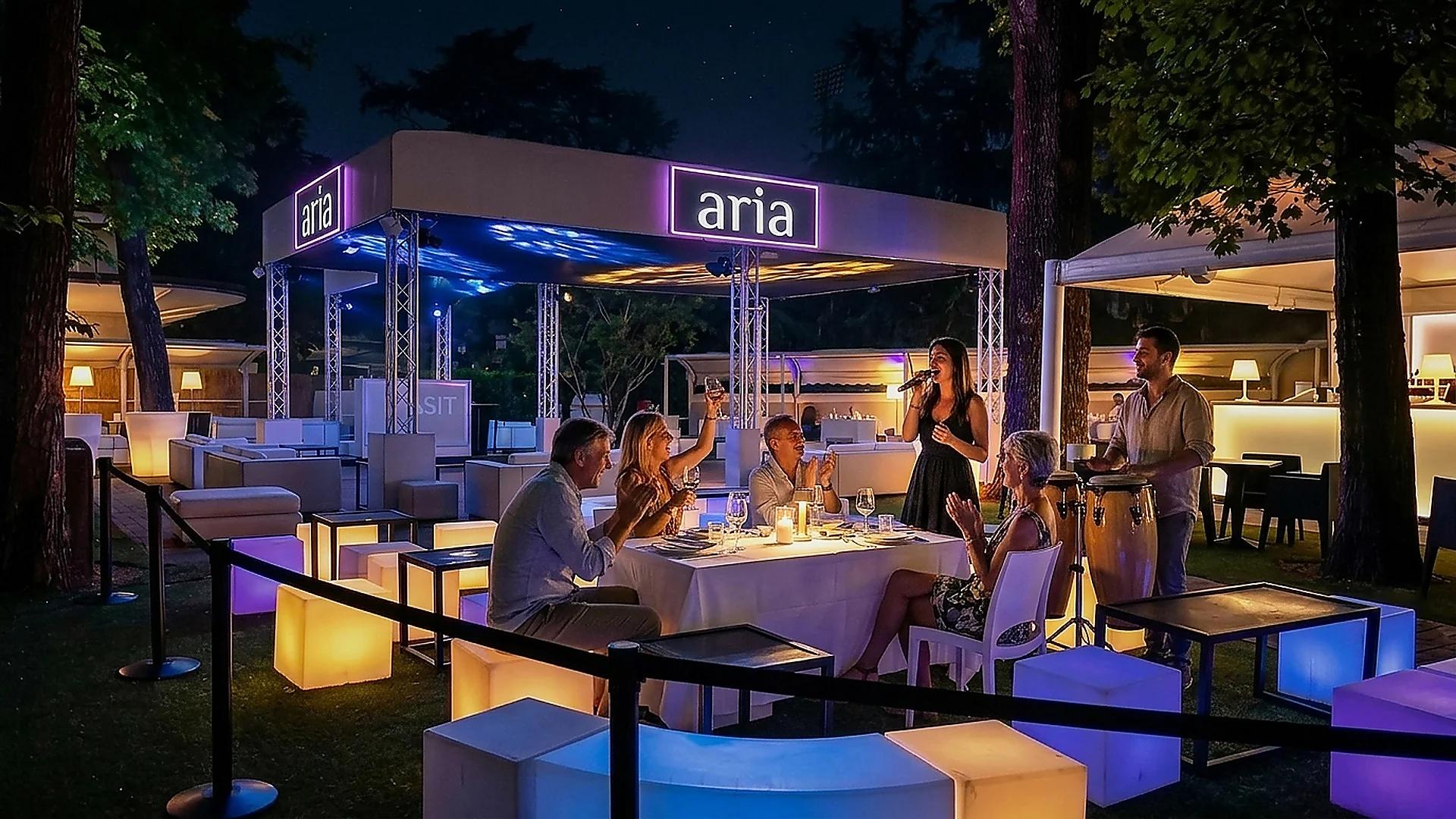
Conversely, soaring industrial volumes draped in heavy velvet curtains at 55 Milano or tree-lined open parklands at Aria Club Milano absorb slapback naturally. Even wool coats, table linens and full seating reduce stray echo noticeably compared to sparse half-empty dining layouts.
Hour-by-hour decibel curves from 19:00 cocktails to midnight
Rather than locking one rigid sound level from start to finish, disciplined Milan rooms ride an intentional dynamic curve following guest appetite and alertness.
Welcome drinks and aperitivo (19:00 - 21:00): calm 66 - 72 dBA comfort
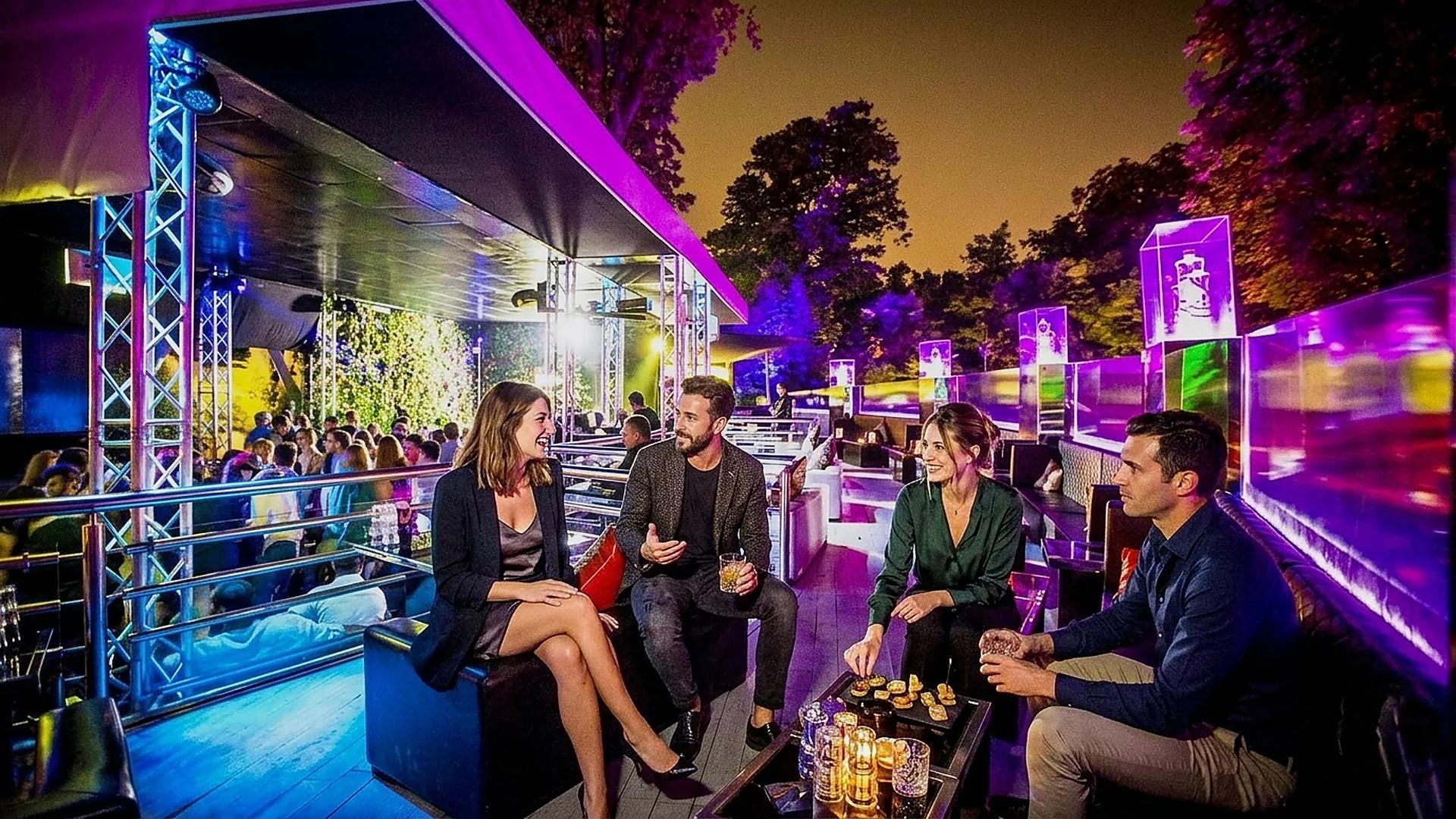
Throughout sunset acoustic aperitivos, guests trickle in from Milan offices and fair booths, greeting colleagues standing around cocktail bars or sinking into velvet sofas. Maintaining 66 to 72 dBA measured three meters off stage eliminates awkward cold silence upon arrival while letting whispered networking introductions land cleanly.
Fingerpicked acoustic guitars, electric Rhodes pianos and soft soprano sax suit this early transition cleanly without thumping kick-drum fatigue. Compare similar early formats across our Milan aperitivo guide.
Seated dinner courses (21:00 - 23:00): protected 65 - 70 dBA clarity
Once menus commence across tables, total room occupancy peaks and diners sit closely opposite one another. Holding instrumental passages gently between 65 and 70 dBA across antipasti and risottos, scheduled in tidy thirty-minute musical chapters separated by ten-minute ambient pauses, lets chefs pace hot service without musical clutter.
That disciplined rhythm anchors our finest Milanese piano bar venues and live sax and jazz dinners for executive clients and mixed family birthdays.
Dessert sparklers and after-dinner lift (23:15+): smooth 78 - 84 dBA shift
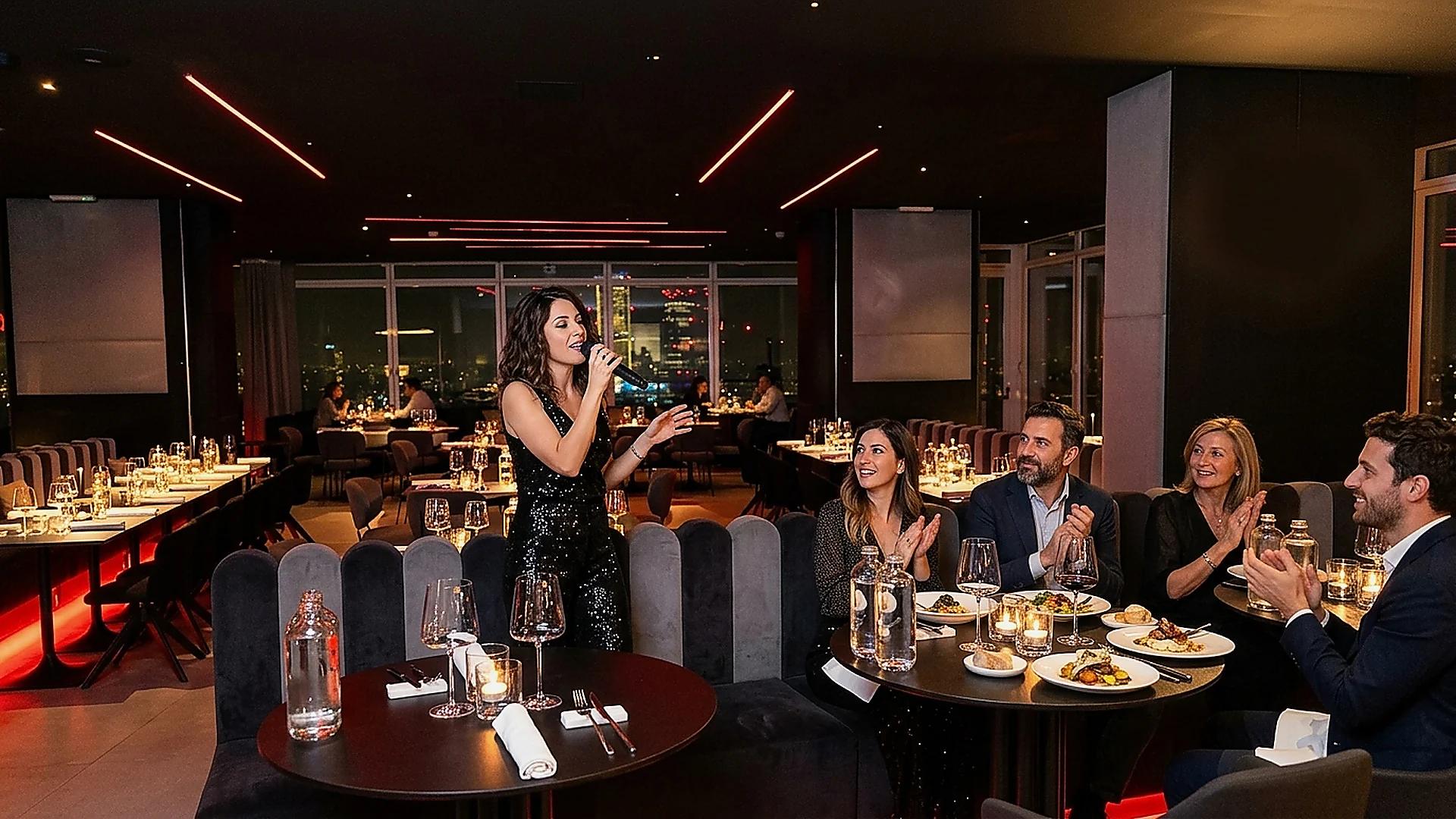
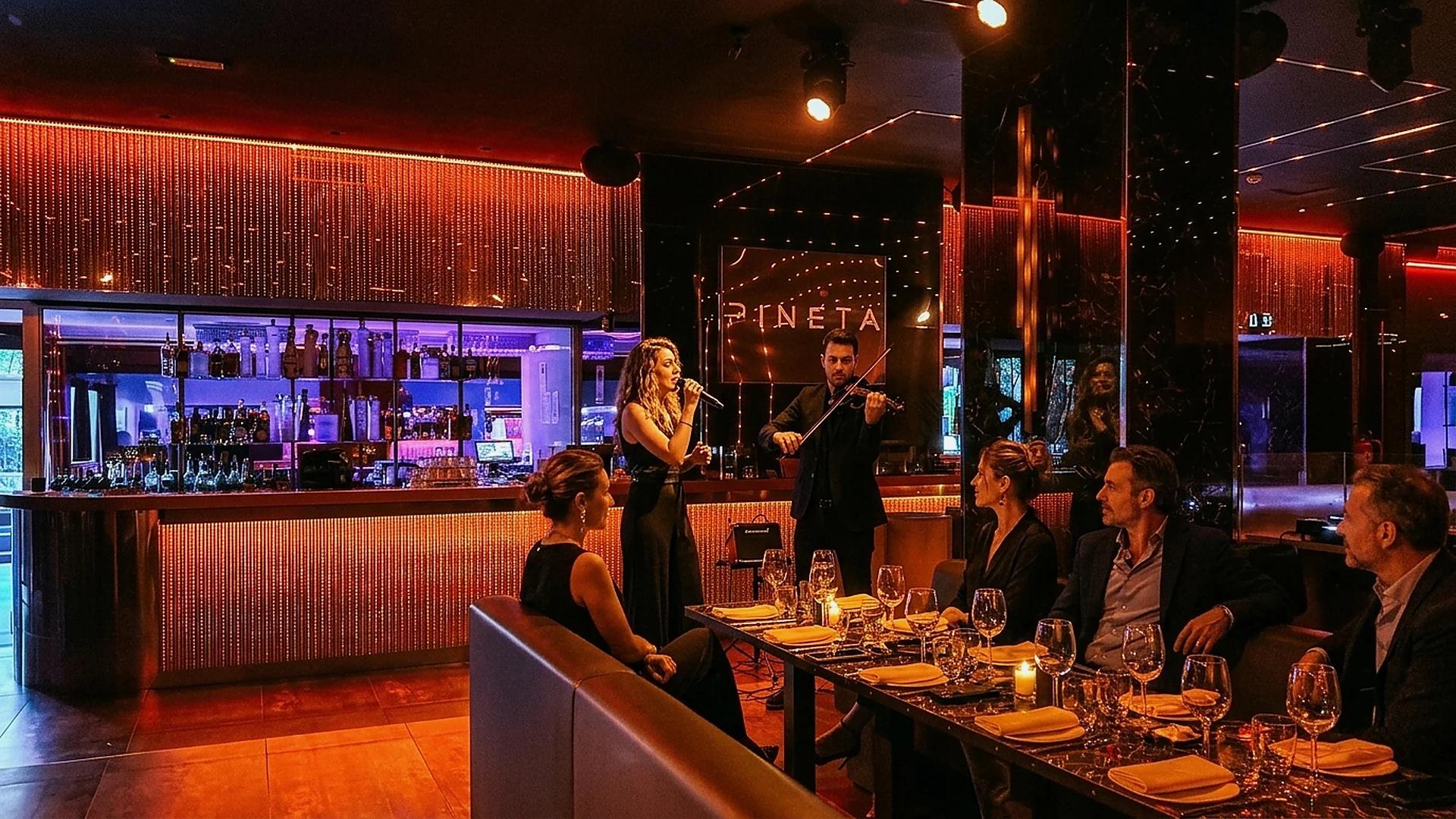
Only as main plates clear toward coffee, celebratory cakes and toasts does the room naturally crave rhythmic momentum. Stepping PA output upward smoothly across fifteen minutes into lively electric strings or upbeat vocals at Pineta Milano invites clapping and standing cheers right on cue.
Consult our engineering matrix mapping each nightly phase across decibel targets, instruments and EQ curves.
| Evening window | Target dBA (3m) | Recommended instruments | Table speech feel | Soundboard EQ focus |
|---|---|---|---|---|
| 19:00 - 21:00 Aperitivo | 66 - 72 dBA | Soprano sax, archtop, soft keys | Easy standing or sofa chat | Silky highs, minimal sub-bass |
| 21:00 - 22:30 Seated courses | 65 - 70 dBA | Brushed trio, piano & low vocals | Effortless 4-to-8 seat dialogue | -3 dB dip across 1.5-3 kHz speech band |
| 22:30 - 23:30 Cake & show | 74 - 79 dBA | Electric violin, soul voice, piano show | Shared cheers, singing & toasts | Present warm vocal lift |
| 23:30+ Late lounge/club | 82 - 86 dBA | Closing showband or club DJ set | Close booth talk & dancing | Full dynamic bass expansion |
Drum control, in-ear monitoring and distributed speaker design
Even virtuoso jazz musicians overwhelm mid-sized rooms if touring with stadium amplifiers and rock sticks meant for open arenas.
Wire brushes, cajons and silent mesh heads inside restaurants
An acoustic snare drum struck firmly with solid hickory sticks bursts well past 100 dBA natively at one meter, rendering soundboard volume knobs virtually helpless inside medium dining halls. Whenever spaces lack immense concert vaults, we stipulate wire brushes, multi-rod bundles, amplified cajons or mesh-head electronic kits.
Full unmuted acoustic drum kits remain reserved solely for high-bay stages inside 55 Milano or breezy park lawns outdoors.
Replacing noisy stage wedges with clean personal in-ear monitors
Conventional floor monitor wedges pointed upward at musicians' faces spill chaotic reflected mids back across vocal mics and right onto unlucky front-row tables, forcing sound technicians to push main speakers louder still to compensate.
Modern touring bands on our roster favor discreet wireless in-ear monitors: onstage ambient spill drops almost to zero, every player hears crisp private mixes and the dining room receives pure balanced studio polish.
Distributed ceiling/column speakers over dual blasting side stacks
Blasting everything from two huge stacks flanking the stage leaves front guests wincing while distant tables hear muffled thuds. Deploying slim delay-synced column speakers distributed evenly down room walls envelops every table gently at roughly 70 dBA without hot spots.
The exact same distributed philosophy keeps elevated glass rooms crisp on our Milan rooftops guide.
Checking floorplans before placing any venue deposit
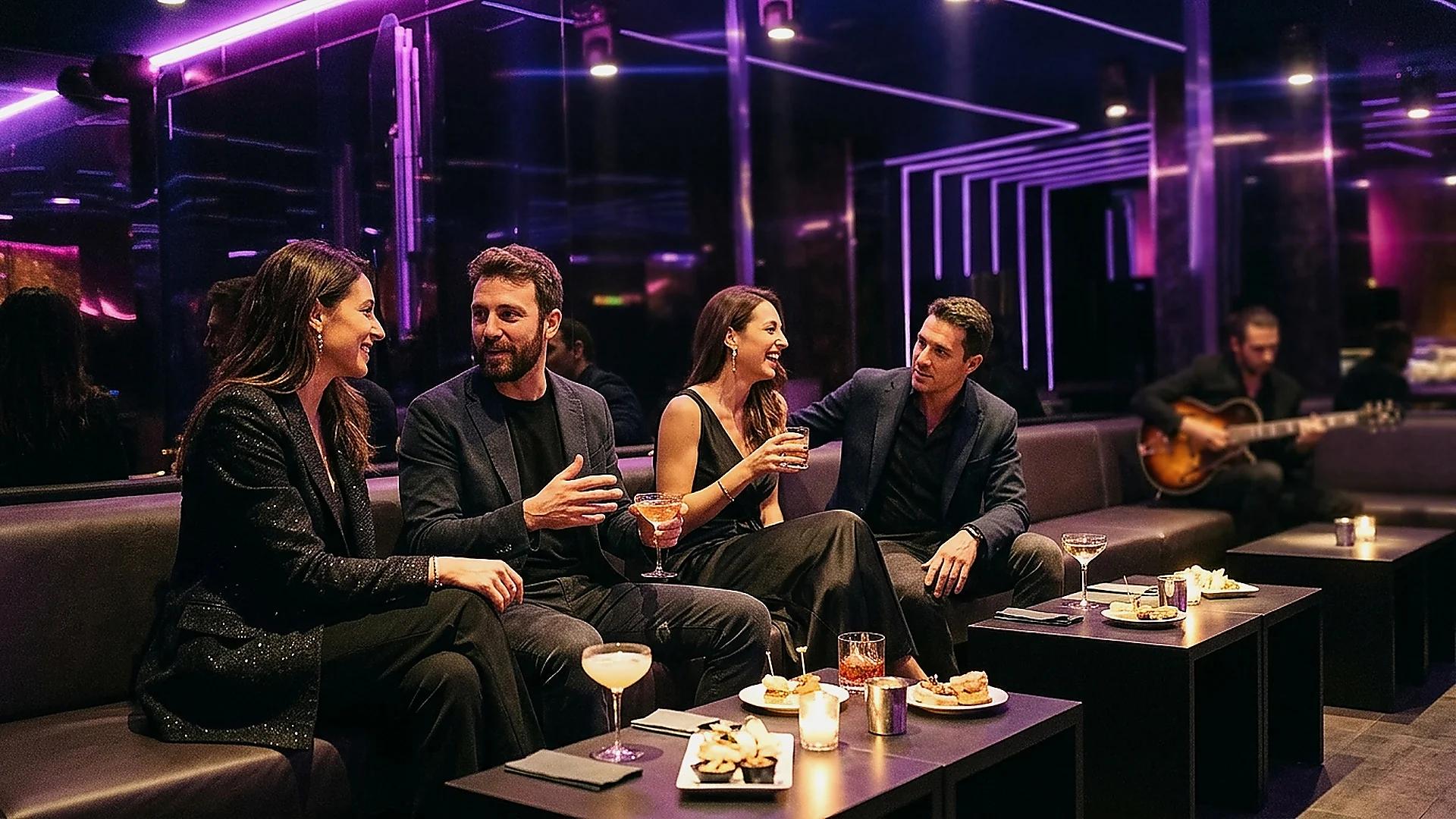
A quick two-minute inspection of seat placement protects evenings far more effectively than crossing fingers on arrival.
Keeping tables at least 3.5 meters off horn bells and floor subs
During every floor check for clients, we confirm no conversational dinner table sits within three and a half meters straight ahead of speaker drivers or pointing brass bells. Shifting seating laterally by two meters or angling chairs gently past room pillars immediately transforms listening clarity.
Preserving clear lines of sight toward keyboardists or violinists simultaneously boosts psychological enjoyment at gentler decibels because eye and ear reinforce musical perception together.
Separating animated show rows from quiet conversational wings
Inside mixed corporate teams or multi-generation family dinners where younger guests welcome louder beats while directors or grandparents value gentle dialogue, elevated side booths or partitioned hall wings inside Pineta Milano and 55 Milano keep everyone delighted in parallel.
Hosts seeking higher-volume vocal interaction past dessert can check parallel options on our Milan dinner show guide or inspect all five live music venues.
Pre-event soundcheck previews with Axel on-site
Whenever confirming corporate events or major milestones through musicamilano.com, written sheets specify exact table zone distances from musicians and confirm resident lineup styles beforehand.
For private band hires we happily invite organizers around 18:30 right as musicians wrap afternoon soundchecks so you literally hear balanced dining acoustics across the empty room before guests arrive.
Soft upholstery, wool table linens and human body absorption
Room furnishings quietly perform half the acoustic treatment in luxury hospitality. Velvet banquettes, thick woolen carpets, heavyweight perimeter curtains and crisp double-layered tablecloths absorb erratic mid-range clatter around 500 Hz far more gracefully than bare terrazzo floors and exposed concrete columns.
Even seated occupancy transforms acoustics beneficially: once eighty guests fill coats and upholstered dining chairs across a room, natural sound decay tightens by nearly half a second, immediately cutting echo smear around wine toasts and instrumental solos.
Preventing listener fatigue across multi-hour dinners
Human eardrums grow steadily less forgiving after three straight hours of compressed electronic transients or unmoderated brass blasts. Structuring thirty-minute live chapters interleaved with calming ambient intervals gives auditory nerves vital rest windows so guests stay energized past midnight cake ceremonies.
Equally important, keeping cocktail bar areas cleanly balanced away from speaker horn axes guarantees standing friends grabbing Negronis never strain against ear-ringing wall reflections.
Subwoofer decoupling and balancing bar zones against quiet dinner bays
Deep low frequencies under eighty hertz travel effortlessly right through wooden floorboards and marble columns, shaking wine stems unpleasantly under neighboring corporate tables even when stage vocals appear moderate. Isolating floor subs on resilient rubber pads and routing separate ceiling attenuation across quiet peripheral alcoves ensures every zone hears crisp warmth suited strictly to its purpose.
Applying these engineering refinements lets executive teams and lively celebratory tables coexist calmly inside Milan's finest rooms without friction.
Real acoustic troubleshooting during live Milan dinner events
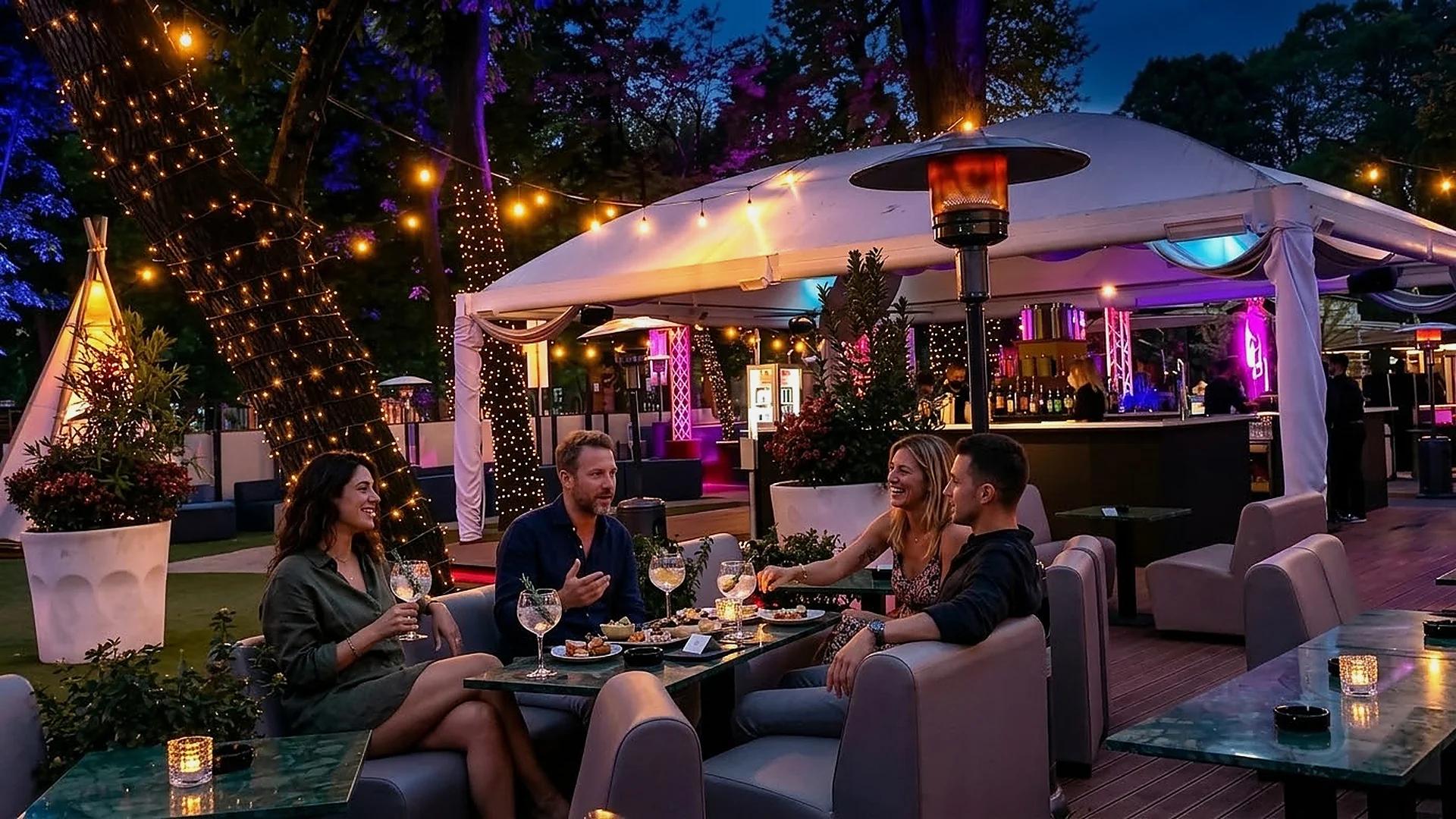
Even thoroughly planned dining halls encounter surprise acoustic shifts once doors swing open and eighty lively guests fill chairs. Seasoned on-site monitoring solves dynamic changes effortlessly.
Re-balancing EQ curves as an empty room fills with conversation
An empty dining hall at 18:30 during afternoon soundcheck behaves remarkably differently from the identical space packed with ninety warm bodies and clinking silverware at 21:30. Clothes and human torsos soak up crisp high frequencies naturally while ambient room chatter raises low-mid noise floors sharply around four hundred hertz.
Sound technicians staying active past starters nudge vocal clarity upward slightly while trimming booming floor resonance so instruments preserve crisp airiness without sounding muffled or overpowering seated chatter.
Resolving doorway drafts, kitchen swing noise and microphone feedback
Acoustic disturbances frequently creep in from mundane non-musical culprits: squeaking service pantry hinges, noisy ice crushers behind unshielded bars or outdoor terrace doors propped carelessly open beside street trams. During site walks with Axel, we map seating clear of noisy blender zones and inspect heavy velvet door drapes blocking street rumbles.
Furthermore, briefing corporate speakers never to walk straight under ceiling loudspeakers while holding active handheld microphones stops piercing acoustic squeals instantly before executive welcomes kick off.
Communicating acoustic priorities across Milan venue management teams
Ultimately, protecting dinner speech starts by writing clear acoustic expectations straight into event booking notes rather than relying on verbal handshakes. Specifying conversational priority tells chefs, floor captains and bandleaders clearly that delicate instrument touch triumphs over decibel muscle from antipasti through celebratory toasts.
Why acoustic clarity creates higher beverage spend and longer stays
Hospitality research consistently demonstrates an obvious human truth: diners who comfortably follow table conversation order second bottles of Franciacorta, digestifs and espresso desserts rather than signaling abruptly for the bill at 22:15 out of sheer ear exhaustion. Respecting speech thresholds benefits guest wellbeing and celebratory warmth equally.
Choosing verified conversational venues across Milan turns every musical outing into an unhurried pleasure worth savoring late.
When floor seating keeps clear lateral orientation away from speakers, soft upholstery balances room echoes and artists tune down mid-frequency vocal bands during starters, guests walk into dinner excited and walk out smiling with voices fresh.
Contact Axel ahead of any business gathering or milestone celebration to verify room decibel management directly on site prior to booking.
Scheduling an afternoon walkthrough beside sound technicians lets hosts audition real floor acoustics across dining aisles before signing anything, guaranteeing calm speech clarity throughout all multi-course dinner blocks.